
/ RAIL · DIESEL STARTING DUTY
Diesel locomotive starter batteries — thousands of amperes, on demand, for years
Starting a diesel locomotive is the most violent thing a battery is ever asked to do: swing a cold engine of many litres with a current draw in the thousands of amperes — then sit patiently, vibrating, until the next start. Microtex has built for railway duty for decades, and our diesel starter batteries work daily in Indian service and in locomotive fleets across South America.
Railway duty since decades — LOCOMOTIVE Fleets in India & South America — Built for vibration & burst current — Replacement & OEM
The duty nobody designs for by accident
A loco starter battery lives two contradictory lives. In the starting second it must deliver a colossal burst — every connection, strap and plate carrying currents that would weld lesser hardware. The rest of its life is float duty on a vibrating machine, in engine-room heat, holding itself ready. Batteries built for one life fail in the other: high-crank automotive designs shake apart; gentle stationary designs cannot swing the engine when it is cold.
Ours are built for both — heavy internal conductors for the burst, railway-grade mechanical construction for the years between. It is a small, unfashionable product line we have never abandoned, and locomotive workshops from India to the Andes keep finding us for exactly that reason.
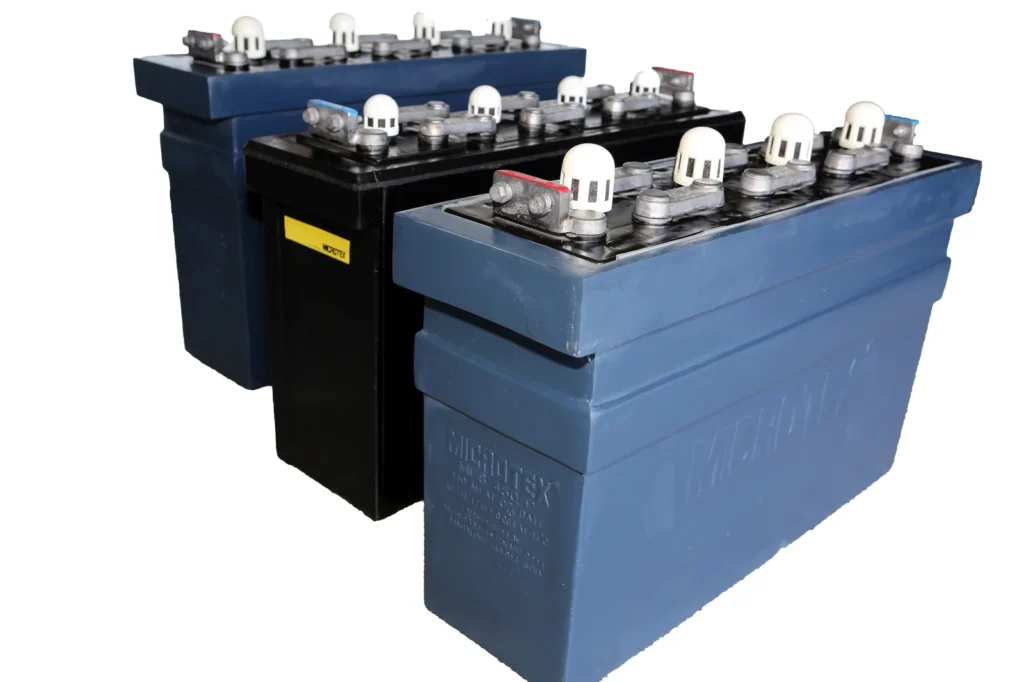
FIG. 1 — DIESEL LOCO STARTER BATTERY, RAILWAY-GRADE CONSTRUCTION
Who buys these from us
Railway workshops replacing fleet batteries on maintenance cycles; industrial and port operators with shunting locomotives; mining railways; and rebuilders exporting refurbished locomotives. Replacement enquiries move fastest with a photograph of the old battery’s nameplate and the battery-box dimensions — voltage, capacity and terminal layout come back confirmed the same working day.
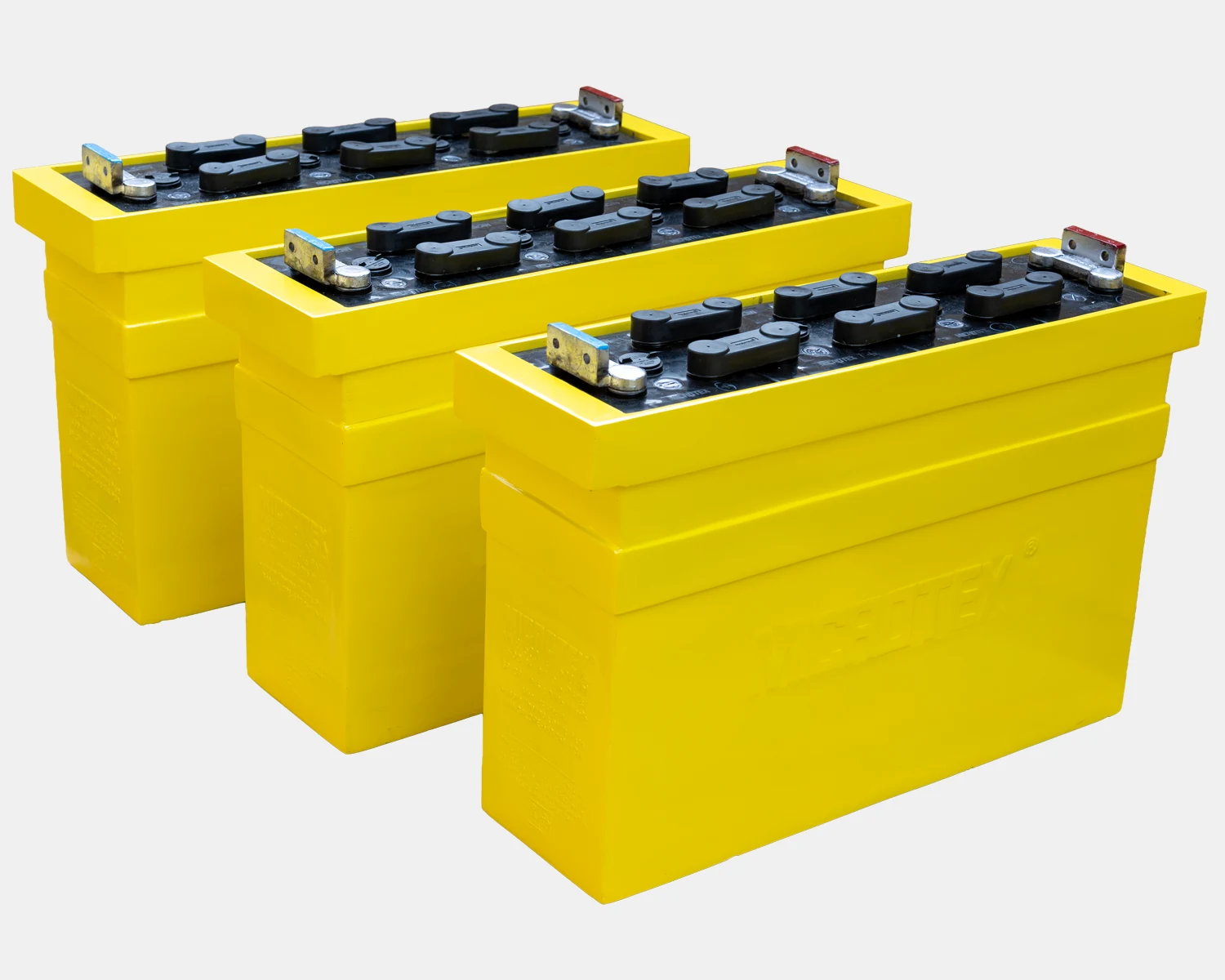
Questions workshop engineers ask us
Why do loco starter batteries fail early?
Three killers, in order: vibration working loose what was assembled cheaply; chronic undercharge from float systems set for a different battery; and heat in the engine compartment. Construction answers the first; the charging specification we supply with every battery answers the second; honest siting and ventilation guidance answers the third.
Can you match our existing fleet’s battery exactly?
Usually yes — loco starter batteries follow fleet standards, and matching voltage, capacity, box dimensions and terminal layout is routine. A typical Indian set: eight 8V monoblocs forming a 64 V · 500 Ah battery that delivers cranking bursts beyond 3,000 amperes. Send the nameplate photo and box measurements through the enquiry form; where the original maker has vanished, we re-engineer to the box.
Do you export — and how do the batteries travel?
Yes — South American railway customers are regular buyers. Batteries ship export-packed with documentation for dangerous-goods handling where applicable, and the charging/commissioning instructions travel in the crate in English and Spanish.
What maintenance keeps a starter battery ready?
A short round: hold the float setting the specification names, keep connections torqued and coated, water with clean water at the end of charge, and log a monthly voltage check. A starter battery’s job is readiness — the round exists to prove readiness, not just preserve it.
Cold morning, first crank. That is the whole specification.
Send the loco class or the old nameplate — the quotation returns the same working day, in English or Spanish.