
/ MOTIVE POWER · SINCE 1969
Traction batteries — deep-cycle power that clocks in every shift
A traction battery is cycled hard every working day — discharged across a shift, recharged overnight, judged by the year not the datasheet. Microtex has been a traction battery manufacturer and supplier since 1969: 2V tubular cells in DIN and BS dimensions and monobloc formats, for forklifts, warehouse trucks, golf carts, access platforms and underground mining machines — capacity-tested at CPRI, supplied across India and exported since 1977.
2V cells · DIN & BS · monoblocs — CPRI capacity-tested (C5) — European-class tubular plates — Exporting since 1977
Choose your duty
Forklift batteries
The workhorse page: cell ranges, compartment fit (DIN/BS), what kills forklift batteries, and how we quote in one working day.
Golf cart batteries
6V, 8V and 12V deep-cycle monoblocs — type-tested at CPRI (2024) for resort, fleet and utility-vehicle duty.
Scissor & boom lift batteries
Access-platform duty — 6V 390Ah and related deep-cycle blocks built for daily lift work.
Mining machines
The hardest motive duty of all — increased-safety battery packs for underground MUVs, scoops and locomotives, on their own pages.
What makes a traction battery different
A starter battery delivers one violent second; a stationary battery floats for years. A traction battery does the hardest thing in lead-acid: deep discharge, every day, for years. That duty is exactly what tubular positive plates were invented for — the gauntlet holds the active material through thousands of expansion cycles that would shed a flat plate’s capacity onto the cell floor. The construction, and the patent behind ours, is on the technology page.
New to the technology? Start with what a traction battery is.
The other half of traction life is charging discipline: the right finish, the right charge return, water at the end of charge — habits that decide whether a fleet battery sees year three. Our proposals come with the charging guidance attached, because we would rather explain it before the sale than argue about it in a warranty claim.
And one more thing ships with every traction battery sold in India: a tree. Since 2017 we have planted a sapling for each one — over 5,100 trees so far. Details on our Environment page.
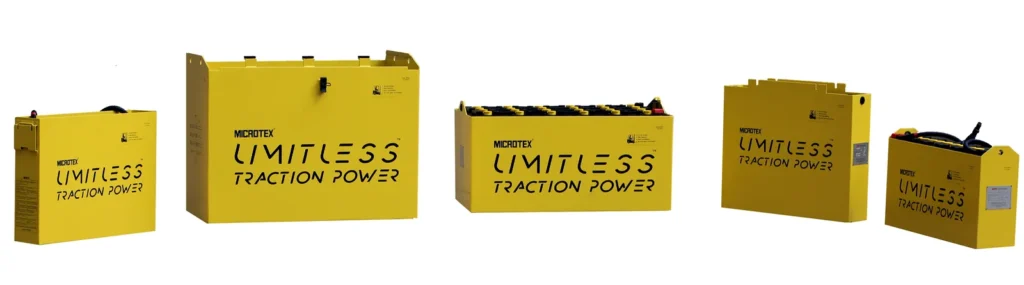
FIG. 1 — 2V TRACTION CELLS · DIN & BS RANGES
Evidence, not adjectives
| Product | Test | Where & when |
|---|---|---|
| 2V 300 Ah traction cell (6MIPzB300) | Capacity (C5), marking, dimensions | CPRI Bengaluru · Jul 2025 |
| 2V 602 Ah traction cell (7MIPzB602) | Capacity (C5), marking, dimensions | CPRI Bengaluru · Jul 2025 |
| 2V 930 Ah traction cell (6MIPzS930) | Capacity (C5), marking, dimensions | CPRI Bengaluru · Jul 2025 |
| Golf cart trio — 6V 225 / 8V 175 / 12V 150 Ah | Type-tested against customer requirement | CPRI Bengaluru · Feb 2024 |
Questions fleet buyers ask us
What does the C5 rating on a traction battery mean?
Capacity depends on how fast you draw it. C5 is the capacity delivered over a five-hour discharge — the honest rate for motive duty, and the rate our CPRI tests use. A battery advertised at its 20-hour rating looks bigger on paper; compare C5 to C5 or you are comparing apples to advertising.
DIN or BS cells — what does my truck take?
The battery compartment decides: DIN and BS standards fix different cell heights and footprints, and the tray must land on the truck’s weight and dimensions — in a counterbalance forklift the battery is also ballast. Send the truck model or the compartment drawing and we confirm the fit in the quotation.
How long should a traction battery last?
It is decided in the charging room more than the factory: depth of discharge per shift, charge quality, watering, and heat. Well-treated tubular traction cells serve for years of daily cycling — tell us your shifts and charger and we will state the life expectation for your duty rather than a brochure number.
Do you supply OEMs as well as replacement batteries?
Both — as a traction battery supplier we handle first-fit supply to equipment makers and replacement banks for working fleets, in India and export markets.