
/ MINING · LOCOMOTIVE DUTY
Mining locomotive batteries — powering underground fleets for over 15 years
Battery locomotives are the longest-serving electric vehicles on earth — hauling ore and men through headings where diesel is unwelcome and failure is unacceptable. Microtex has been supplying locomotive batteries to underground fleets — Indian gold and coal mining, and mines across Africa — for over 15 years. This page is for the engineers who keep those fleets moving.
Over 15 years supplying underground fleets — India & Africa — Replacement engineering to any box — CPRI-tested cell family
Why locomotive duty rewards tubular cells
A mining locomotive battery is cycled deep every shift, for years, in a machine whose whole value is availability. That is the exact duty tubular positive plates were invented for: active material locked in gauntlets around cast spines, holding capacity through thousands of cycles that shed flat plates onto the cell floor — the construction is explained here. Heavy-duty cell design, robust inter-cell connection and trays built for haulage vibration do the rest.
Longevity underground is also housekeeping made easy: cells sized for the real duty (not the nameplate’s flattery), a charge that finishes properly in the bay, and watering that takes minutes because the layout was designed for a lamp-lit battery room, not a laboratory.
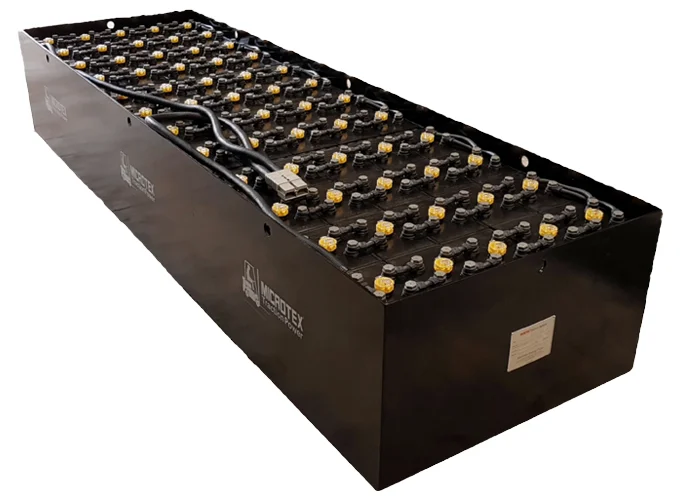
FIG. 1 — MINING LOCOMOTIVE BATTERY, HAULAGE-GRADE TRAY
The replacement business — our favourite enquiry
Most locomotive batteries we build replace someone else’s: fleets still hauling decades after their maker stopped answering the phone. The routine is simple — the loco class, the old battery’s nameplate photograph, battery-box dimensions, track gradient and shift pattern. We engineer to the box, match voltage and capacity to the duty, and quote with delivery dates. Where the fleet standard is ours already, repeat supply is a stock conversation.
Evidence, not adjectives
| Supply record | Over 15 years of supply to underground locomotive fleets — Indian gold and coal mining, and mines across Africa |
| Cell testing | Cell family capacity-tested (C5) at CPRI Bengaluru, 2025 — including 2V 930 Ah (6MIPzS930) |
| System | Matched mining-duty chargers with auditable Ah/time logs — battery and charger as one responsibility |
| Certification | Stated in writing per jurisdiction and mine class against your enquiry |
Questions fleet engineers ask us
Our locomotives are decades old — can you still battery them?
That is precisely our trade. Old fleets are engineered machines with long lives and abandoned suppliers; we reverse-engineer to the battery box and the duty, and the fleet keeps hauling. The nameplate photo and box dimensions start the process.
What actually ends a locomotive battery’s life?
Rarely the work itself. The killers are chronic undercharge in a hurried bay, watering neglect, and heat. A correct charge profile, end-of-charge watering and a battery room that breathes are worth years — our commissioning visit sets all three, and the charger’s logs keep everyone honest afterwards.
Do you supply the chargers and battery-room guidance too?
Yes — matched mining-duty chargers, battery-room layout guidance, and the maintenance round documented for your crews. One supplier for the system means one phone call when anything needs attention.
Can spare cells be supplied rather than whole batteries?
Yes — cell-level replacement keeps a fleet battery in service through its full design life. State the cell type or send the nameplate; matching cells, connectors and covers ship with fitting instructions.
Fifteen years underground is not a promise. It is a habit.
Send the loco class and the old nameplate — engineering replies the same working day.