
/ RESERVE POWER · IS 1651-CLASS FLOODED TUBULAR
2V flooded battery — the Indian utility workhorse
When an Indian tender says “stationary lead-acid cells with tubular positive plates conforming to IS 1651”, this is the battery it means. Microtex 2V flooded cells — 40 Ah to 1100 Ah, proven since the 1970s — serve substations, railway signalling, switchgear, solar and standby duty across India, with the GTPs, drawings and documentation government procurement expects.
2V · 40–1100 Ah — IS 1651-class tubular cells — PPCP or ebonite containers — Proven since the 1970s
Built for tender specifications, not around them
These are flooded tubular cells in the construction Indian standards describe: woven gauntlets (never nonwovens — a ruptured gauntlet is an internal short waiting to happen), spines pressure-die-cast at up to 150 bar, low-antimony alloys that stretch water topping to as much as 18 months, ceramic vent plugs with float level indicators, and hermetically heat-sealed PPCP containers — or the time-tested hard-rubber ebonite where the specification asks for it.
Cells can be supplied factory-charged — delivered ready for service. The tubular construction behind the life claims is explained on the technology page; for DIN-specified export tenders, see the OPzS range.
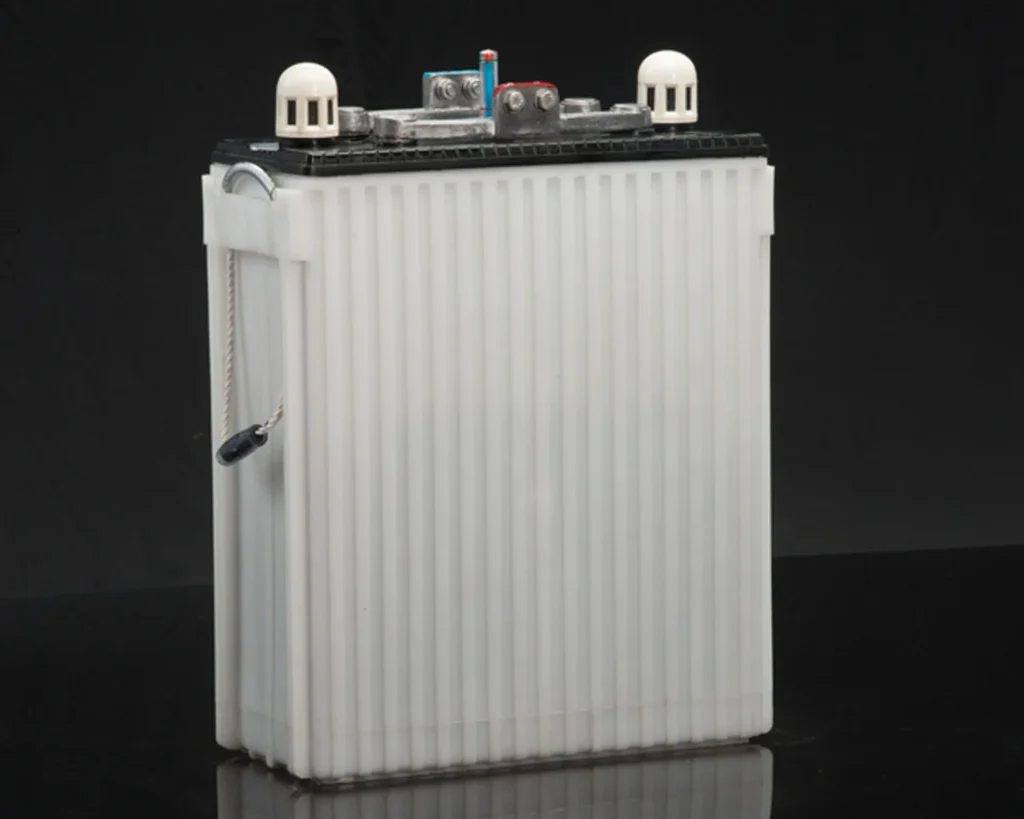
FIG. 1 — 2V FLOODED TUBULAR CELLS, PPCP CONTAINERS
For GeM and utility buyers
Government e-Marketplace and utility tenders for this class typically specify IS 1651 tubular stationary cells for 110 V and 220 V DC systems, railway signalling and solar installations. Microtex supports these procurements end to end: guaranteed technical particulars (GTP), discharge curves, dimensional drawings, compliance statements against the tender annexure, and factory acceptance testing your inspector can witness in Bengaluru. Design conformity: IS 1651 class; related ranges serve IS 13369 and IEC 60896/61427 requirements — the applicable conformity statement is issued against your specific tender.
Questions tender buyers ask us
Our tender specifies IS 1651 with Q3 quality requirements — can you comply?
Send the tender annexure with your enquiry: the compliance statement, GTP and supporting documentation return with the quotation, clause by clause. Where a clause needs a deviation, we say so before you bid, not after you win.
PPCP or ebonite containers — which should we specify?
PPCP is the modern default: hermetically heat-sealed, impact-resistant, lighter. Ebonite remains available where legacy specifications call for it. Both carry the same cells; the specification, not nostalgia, should decide.
How does this range differ from your NDP and HDP cells?
Same tubular heart, different duty grades: this range is the economical IS 1651 workhorse; NDP is the 10-year-design standby line for C&I and utilities; HDP is the premium 20-year line in transparent SAN for nuclear, thermal and hydro stations. We quote the grade your duty and budget actually need.
Can these serve solar off-grid duty?
Yes — flooded tubular cells are the most economical deep-cycle solution where space exists and maintenance is available; the best return on investment in large off-grid systems. For unmanned solar sites, OPzV gel takes over.